Memory Boost Worksheets: Printable Recall Drills
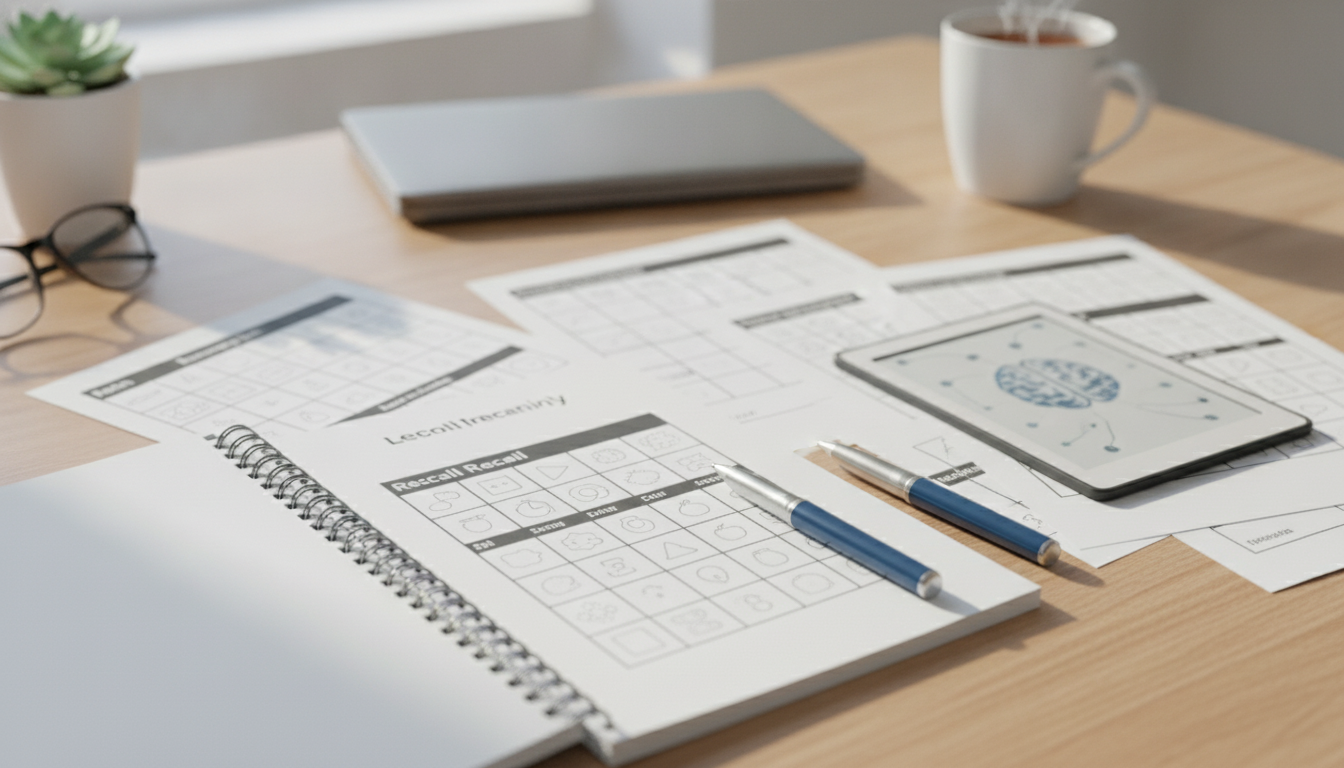
Memory Boost Worksheets for Students & Adults: Printable Exercises, Recall Drills, and Study Tools
Remembering names, formulas, vocabulary, procedures, and key ideas is a skill that improves with the right kind of practice. Memory worksheets make that practice concrete: they guide attention, structure repetition, and turn “reviewing” into measurable drills. This guide explains what memory-boost worksheets are, who they help, how to use them for school or work, and how a printable/digital set can fit into a simple weekly routine.
What Memory Worksheets Train (and Why It Works)
Well-designed memory worksheets target the parts of learning that make information “stick,” instead of relying on passive rereading. The most effective sets focus on five areas:
- Encoding: turning new information into something easier to store using organization, imagery, and meaning.
- Storage: strengthening memory traces with spaced repetition rather than cramming (the spacing effect is a well-known learning advantage).
- Retrieval: practicing recall (not just rereading) so information becomes easier to access on demand.
- Attention control: reducing “leakage” from distractions by using short, focused prompts and timed exercises.
- Metacognition: noticing what is truly known vs. what only feels familiar, then adjusting study choices.
Over time, these drills build confidence because “I studied” becomes “I can recall it, quickly, without notes.” For general lifestyle support, practical memory habits—sleep, exercise, stress management—also matter (see Harvard Health Publishing’s overview: Tips to improve memory).
Who Benefits Most: Students, Professionals, and Lifelong Learners
Memory practice isn’t just for exam season. Structured recall work helps across ages and goals:
- Middle school to college: vocabulary, definitions, historical sequences, science processes, math steps, and foreign language recall.
- Test preparation: rapid retrieval under time pressure, plus confidence from repeated successful recall.
- Adults at work: meetings, procedures, compliance steps, client details, presentations, and task prioritization.
- Older adults: maintaining mental agility through structured recall, pattern work, and learning routines (the NIH’s NIA discusses what’s normal and what to watch for: Memory and forgetfulness).
- Anyone returning to study after a break: rebuilding study stamina with short drills that scale up gradually.
What’s Inside a Strong Memory-Training Worksheet Set
Not all “study printables” are built for real recall. A strong set typically includes:
- Recall-first prompts that require producing an answer before checking notes.
- Spaced review pages that schedule items across days and weeks.
- Chunking and organization templates (outlines, category maps, “big idea → details” frames).
- Mnemonic builders (acronyms, acrostics, method-of-loci room maps, peg lists).
- Interleaving practice that mixes related topics to improve discrimination and flexible recall.
- Error log pages to track mistakes, why they happened, and the corrected cue/answer pair.
- Timed drills for quick retrieval (useful for exams, presentations, and interviews).
Common worksheet types and what they strengthen
| Worksheet type | Best for | How to use |
|---|---|---|
| Free recall sheet | Getting information out without cues | Write everything remembered in 2–5 minutes, then check and fill gaps |
| Cue–response cards/page | Facts, vocab, formulas | Cover answers and test repeatedly; mark “easy/medium/hard” |
| Spaced review tracker | Long-term retention | Re-test the same set on Day 1, 3, 7, 14 (adjust as needed) |
| Chunking organizer | Complex topics and processes | Group details into 3–7 meaningful units and title each chunk |
| Mnemonic builder | Lists and sequences | Create a vivid image/story; rehearse until recall is automatic |
| Error log + correction | Eliminating repeated mistakes | Record the error, the correct answer, and a better cue to prevent repeat |
Printable vs. Digital: Choosing the Format That Sticks
Both formats can work; the best choice is the one that removes friction and makes recall practice automatic.
- Printable strengths: fewer distractions, easy scribbling, quick scanning, and a tangible progress trail.
- Digital strengths: reusable files, quick duplication, simple organization, and portability across devices.
- Hybrid approach: print timed drills and error logs; keep spaced repetition trackers digitally for easy scheduling.
- Consistency matters more than format: pick the version that will be used daily without debate.
A Simple 20-Minute Routine (School or Workday Friendly)
Memory improves when practice is brief, frequent, and specific. This routine works for class material, certification study, or workplace knowledge:
Memory Techniques That Pair Well With Worksheets
Featured Picks: Study Tools and Everyday Supports
- Memory Boost Worksheets for Students & Adults | Printable Digital Download | Brain Training eBook, Memory Techniques, Study & Recall Tools ($22.99) — a workbook-style set built around recall prompts, spaced review, and error tracking.
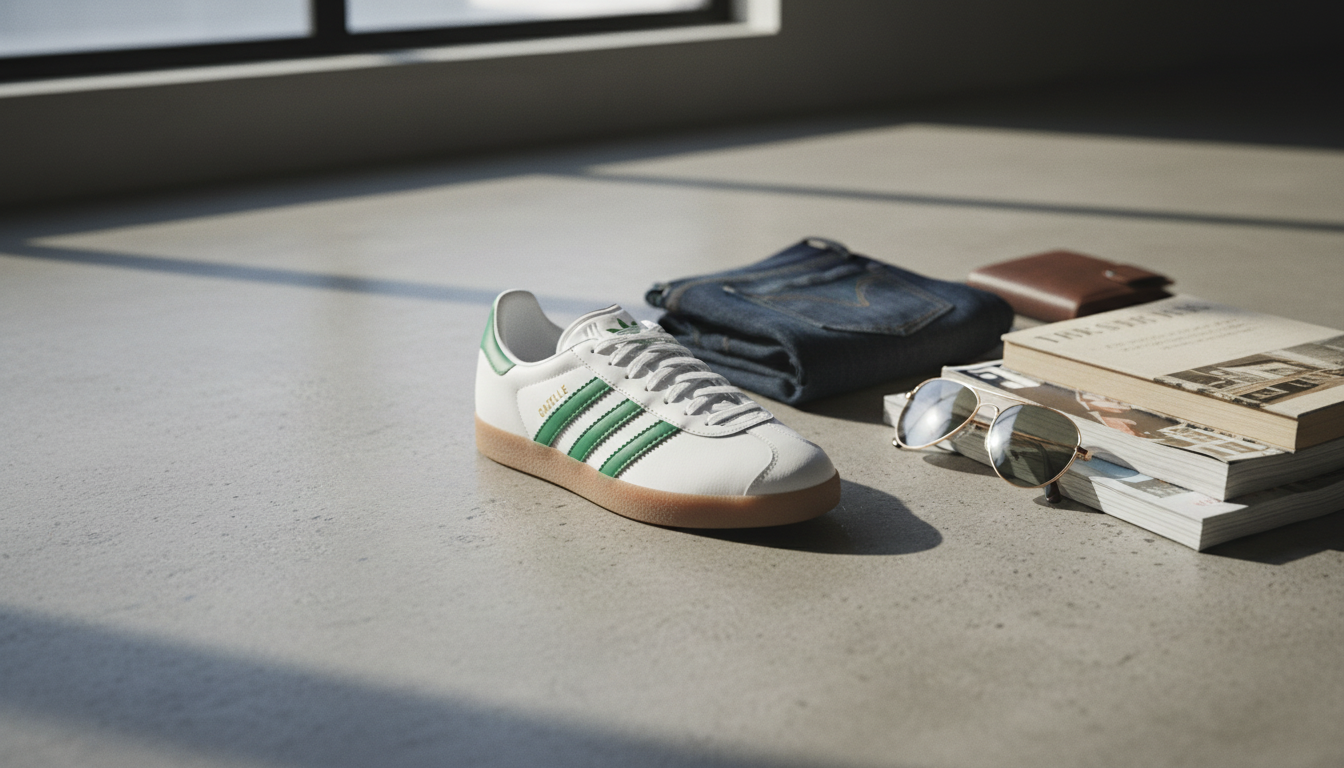
- Armani Exchange Men’s Sneakers ($107.51) — a practical pick for quick “reset walks” between study blocks, which can help attention and reduce mental fatigue.
Memory Boost Worksheets for Students & Adults (Printable Digital Download)
Memory Boost Worksheets for Students & Adults (Printable Digital Download) is designed as a practical workbook-style set for building recall and study confidence through guided exercises. It fits common goals—learning new material, reviewing efficiently, and preparing for tests, presentations, or skill refreshers—and works as a standalone routine or alongside class notes, textbooks, training manuals, and online courses.
Quick snapshot
| Detail | Value |
|---|---|
| Format | Printable + digital download |
| Use cases | Study, recall practice, brain training drills, review planning |
| Audience | Students and adults |
| Price | 22.99 USD |
Getting Better Results: Common Pitfalls to Avoid
FAQ
How often should memory worksheets be used to see improvement?
Use short daily sessions (10–20 minutes) and add one weekly mixed-topic review. Track “hard” items and revisit them using spaced repetition so progress is steady and measurable.
Are these worksheets better for studying or for general brain training?
They work well for both: students can drill vocabulary, formulas, and definitions, while adults can practice attention control and retrieval speed. The best results come from pairing recall sheets with a spaced review tracker and an error log.
Do printable worksheets work if studying is done mostly on a laptop or tablet?
Yes—many people get strong results with a hybrid workflow. Print recall and timed drills for distraction-free practice, and keep trackers digitally for easy scheduling and repeat use.











Leave a comment